

Explore the Surroundings
What to See
Naples
A City to Experience with All Your Senses
Naples has a thousand faces, shaped by centuries of history that reveal themselves through its streets, churches, palaces and castles, where every age has left its mark. Generous and endlessly fascinating, the city rewards those who take the time to explore it and never ceases to surprise—even those who have known it all their lives.
Naples is a city unlike any other, a place to be experienced with all the senses. Art, music, theatre, extraordinary flavours, hidden corners and unexpected beauty come together to create a destination filled with inspiration and emotion. Here, every walk becomes a discovery and every moment an invitation to experience the authentic soul of the city.
B&B Palazzo Mirelli is located in the elegant Chiaia district, in the Mergellina area, just a few steps from the sea. From here, many of Naples’ most captivating sights can be discovered on foot. We have selected some of the places nearby that we believe should not be missed—an invitation to step outside and begin discovering the beauty, history and unmistakable atmosphere of Naples.
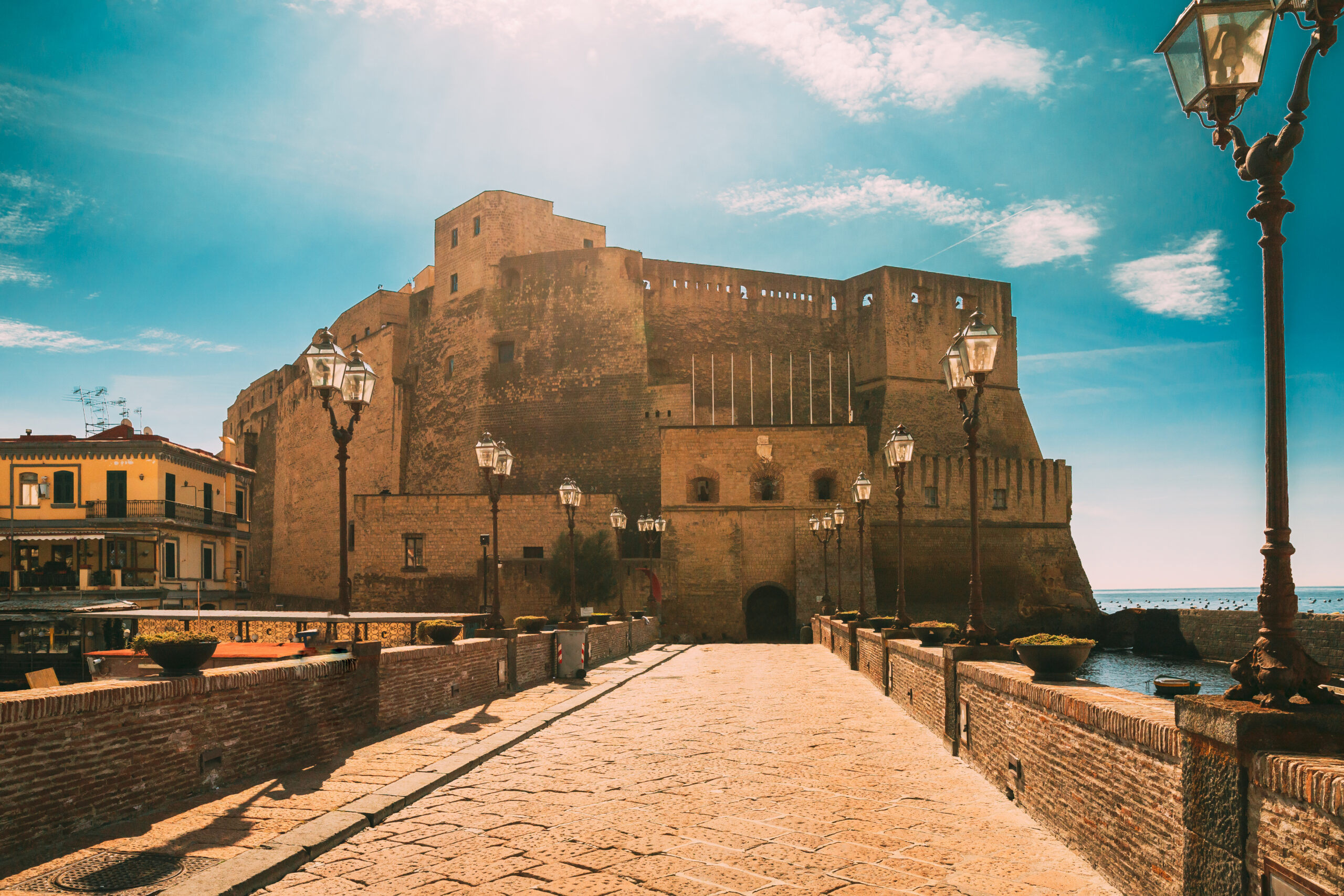
Castel dell'Ovo
Framed by the picturesque Borgo Marinari and the small harbour of Santa Lucia, Castel dell’Ovo is one of the most iconic landmarks of Naples. Legend has it that the fate of the city itself is bound to this extraordinary place.
According to an ancient tale, the poet Virgil—whom medieval Neapolitan tradition regarded as a sorcerer—hid a magical egg within the castle, sealed inside a glass vessel and protected by an iron cage. As long as the egg remained intact, Naples would be safe; should it ever break, the castle would collapse and misfortune would befall the entire city. It is from this fascinating legend that the castle takes its name: the Castle of the Egg.
The fortress rises on the ancient islet of Megaride, where Greek settlers arrived in the 7th century BC and established the earliest nucleus of the city. During Roman times, the islet became home to the magnificent villa of Lucius Licinius Lucullus, while under the Normans the site gradually assumed the character of the imposing fortress we recognise today.
Not to be missed is the Terrazza dei Cannoni, the castle’s panoramic terrace. Surrounded by its ancient tuff walls, visitors are rewarded with a breathtaking view stretching across the entire Gulf of Naples—a timeless panorama where the sea, the city and Mount Vesuvius come together in one unforgettable scene.
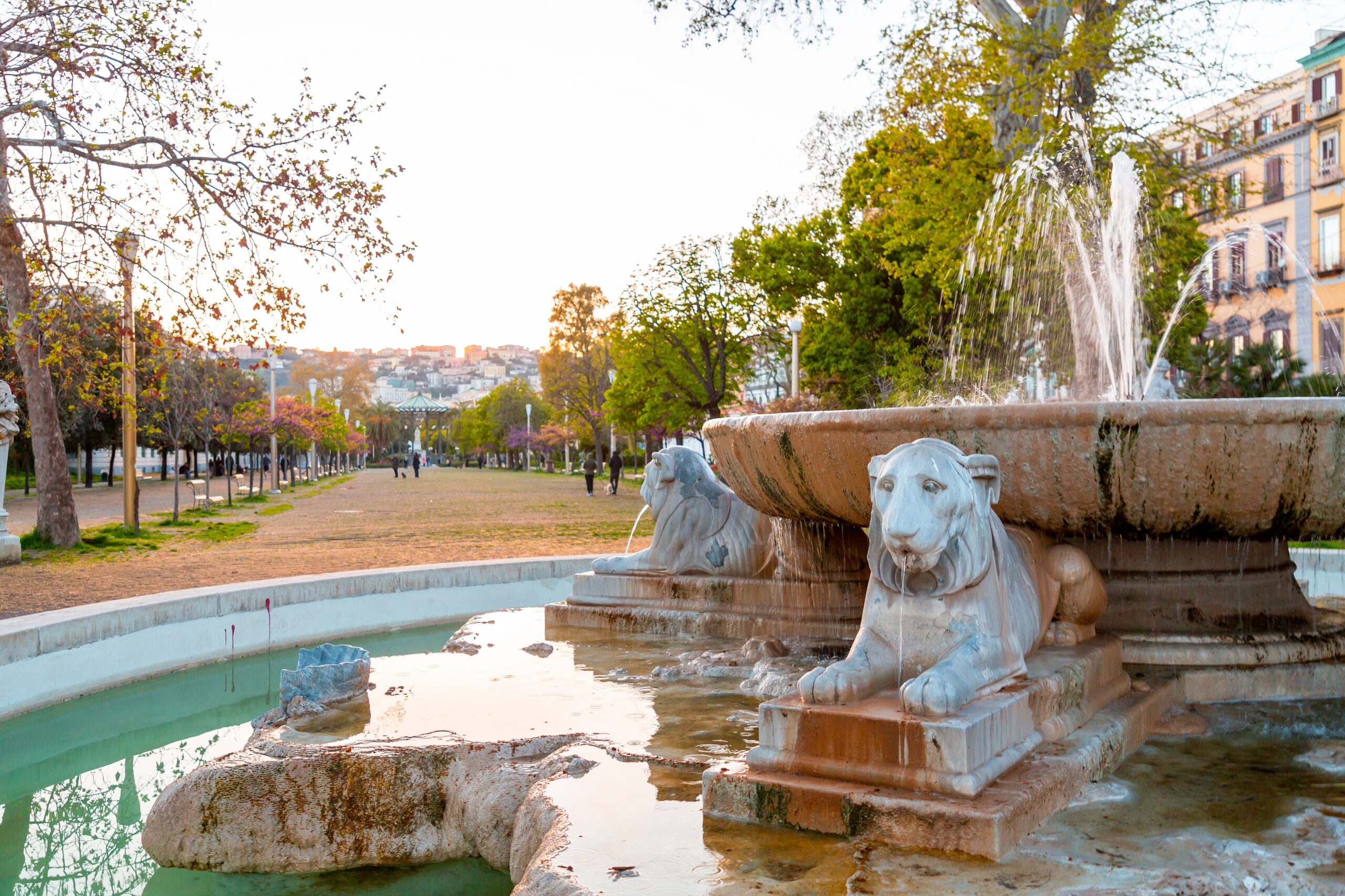
Villa Comunale
Originally conceived as the Royal Promenade by Ferdinand IV of Bourbon and inspired by the celebrated Tuileries Gardens in Paris, the Villa Comunale is one of Naples’ most important historic gardens. Running parallel to the seafront and the Riviera di Chiaia for approximately one kilometre, it stretches from Piazza della Repubblica—just a few steps from B&B Palazzo Mirelli—to Piazza Vittoria.
A graceful tree-lined promenade unfolds among holm oaks, pines, palms and eucalyptus trees. Between its gardens and pathways, visitors encounter Neoclassical statues, sculptural groups and fountains dating from the late Renaissance, creating an elegant dialogue between nature, art and history.
Among the garden’s most distinctive landmarks are the Casina Pompeiana and the elegant cast-iron and glass Cassa Armonica. At the heart of the Villa stands the historic Stazione Zoologica Anton Dohrn, housed in a remarkable 19th-century building and home to Italy’s oldest public aquarium.
The Villa Comunale is an ideal place to slow down between one discovery and the next: a peaceful green retreat where you can stroll beneath the trees, pause in one of the cafés overlooking the sea and enjoy the relaxed rhythm of Neapolitan life.
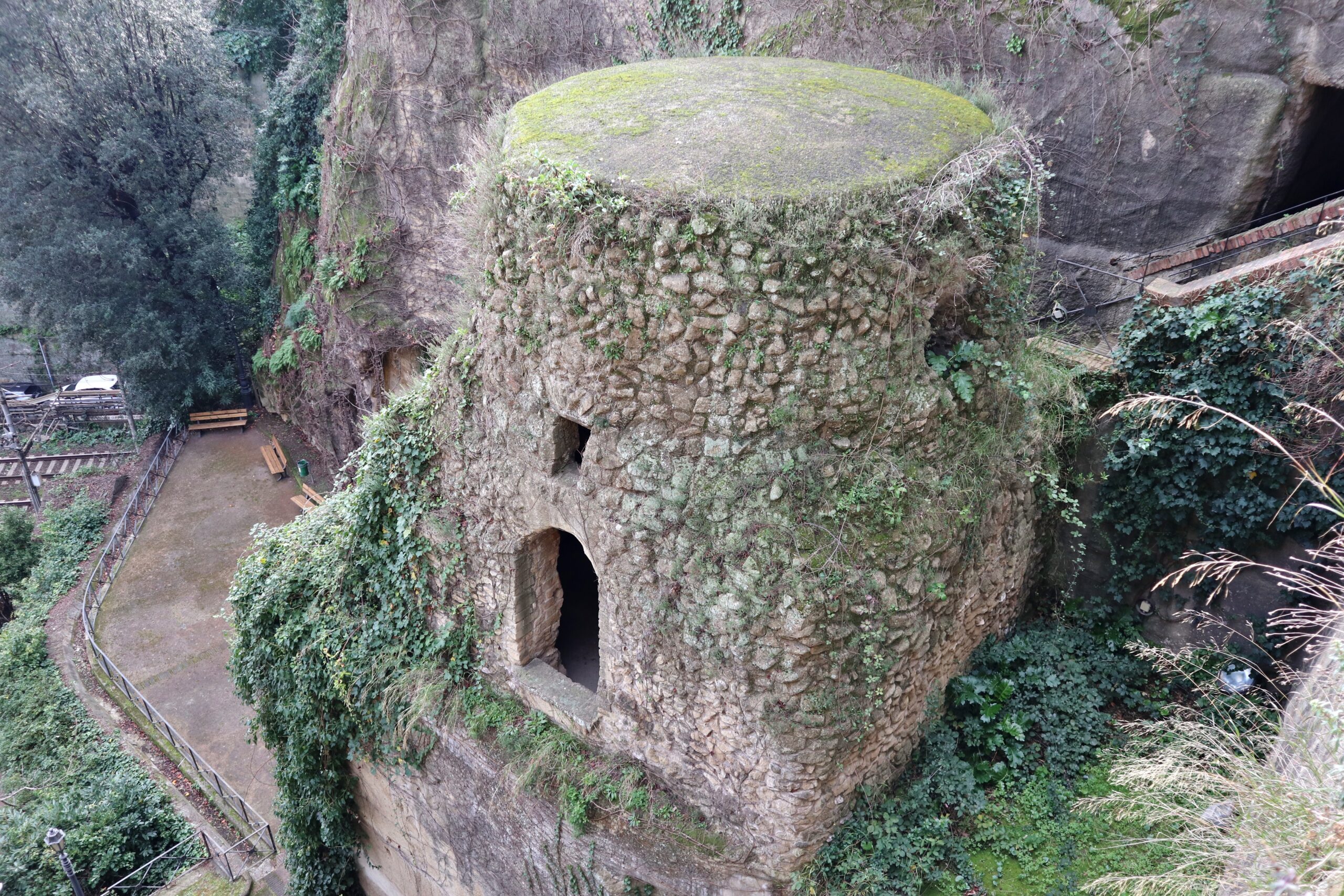
Parco Vergiliano a Piedigrotta
Hidden at the foot of the Posillipo hillside, near the historic Piedigrotta tunnel, Parco Vergiliano is one of Naples’ most fascinating yet lesser-known treasures. An intimate green sanctuary steeped in history and literature, it preserves monuments of exceptional cultural significance, including the traditional tomb of Virgil and the tomb of the great Italian poet Giacomo Leopardi.
At the highest point of the park stands the so-called Tomb of Virgil, a Roman funerary monument dating from the Augustan age. Its cylindrical structure contains ten niches originally intended to hold cinerary urns. Nearby lies the entrance to the ancient Crypta Neapolitana, an extraordinary Roman tunnel that once provided a route through the Posillipo hill towards the area of Pozzuoli and is today closed to the public.
The park also offers a fascinating botanical and literary itinerary inspired by Virgil’s works. Along the paths, visitors can discover plants and shrubs mentioned in his writings, accompanied by passages and descriptions hand-painted on traditional maiolica tiles—a poetic encounter between nature, literature and the classical heritage of Naples.
Rising gradually along the hillside, the park reveals an unexpected and evocative perspective over the city, far removed from its more familiar panoramas. It is a place of silence and contemplation, where history, poetry and nature seem to exist outside of time.
Salita della Grotta — Free admission.
Please consult the official website for current opening hours.
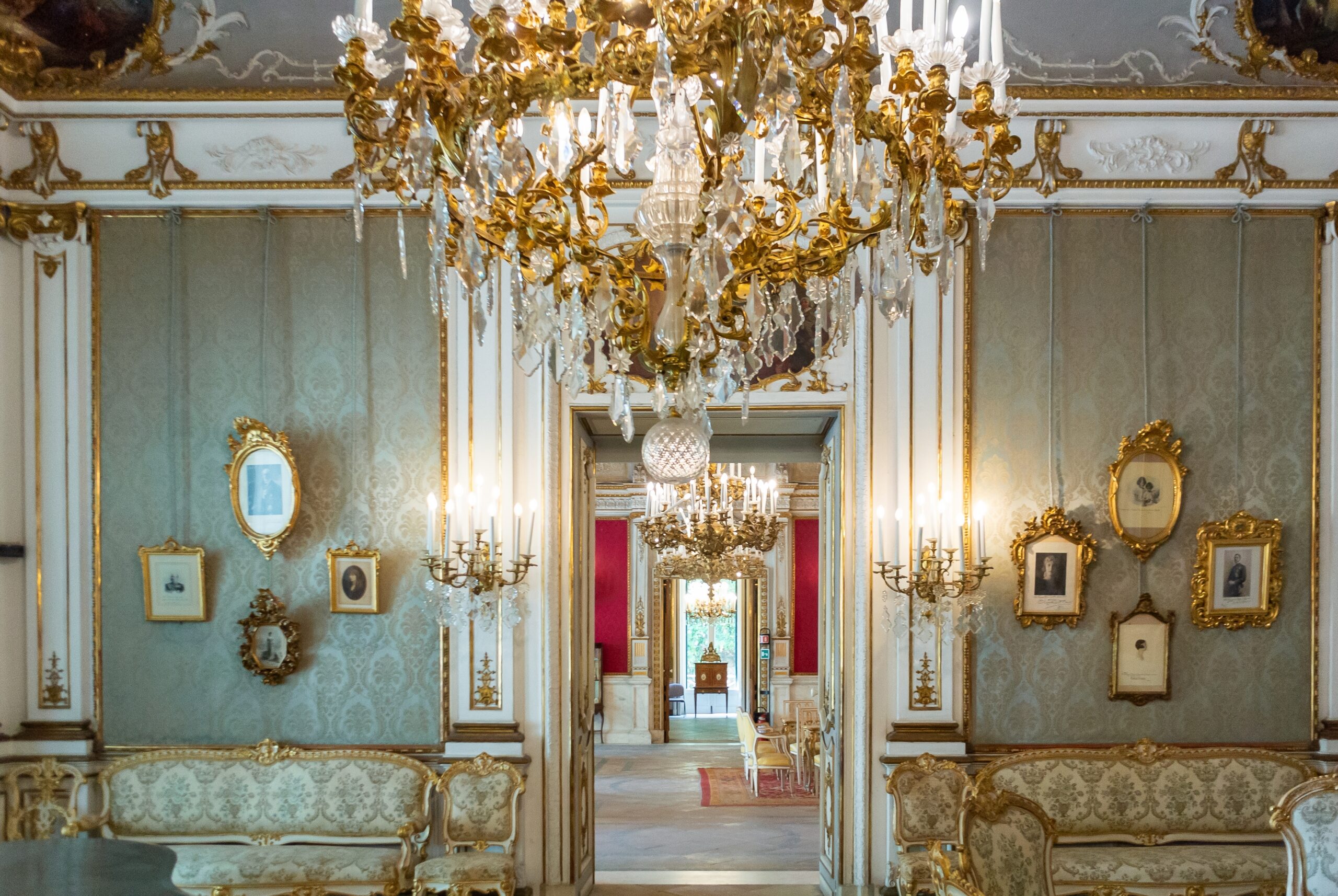
Museo Pignatelli
The residence reflects the taste, elegance and prestige of the distinguished families who inhabited it over the centuries: the Actons, Rothschilds and Pignatellis. An exquisite example of Neapolitan Neoclassical architecture, the Villa was designed by Pietro Valente in 1826. It became a museum in 1955, when Princess Rosina Pignatelli donated the Villa and its park, together with its original furnishings, decorative arts and collections, to the Italian State.
The enchanting English-style garden is crossed by graceful pathways and adorned with a fountain, while rare and centuries-old trees and plants create an atmosphere of secluded beauty. Among them are majestic Araucaria excelsa at the entrance, holm oaks, Mediterranean pines, specimens of Grevillea robusta, an imposing ficus, and abundant Strelitzia augusta and Camellia japonica, accompanying visitors along the avenue leading towards the Villa.
A place where art, architecture and nature come together, Museo Pignatelli offers a glimpse into the elegance and cultivated lifestyle of 19th-century Naples, just a short walk from Palazzo Mirelli.
Address: Riviera di Chiaia, 200
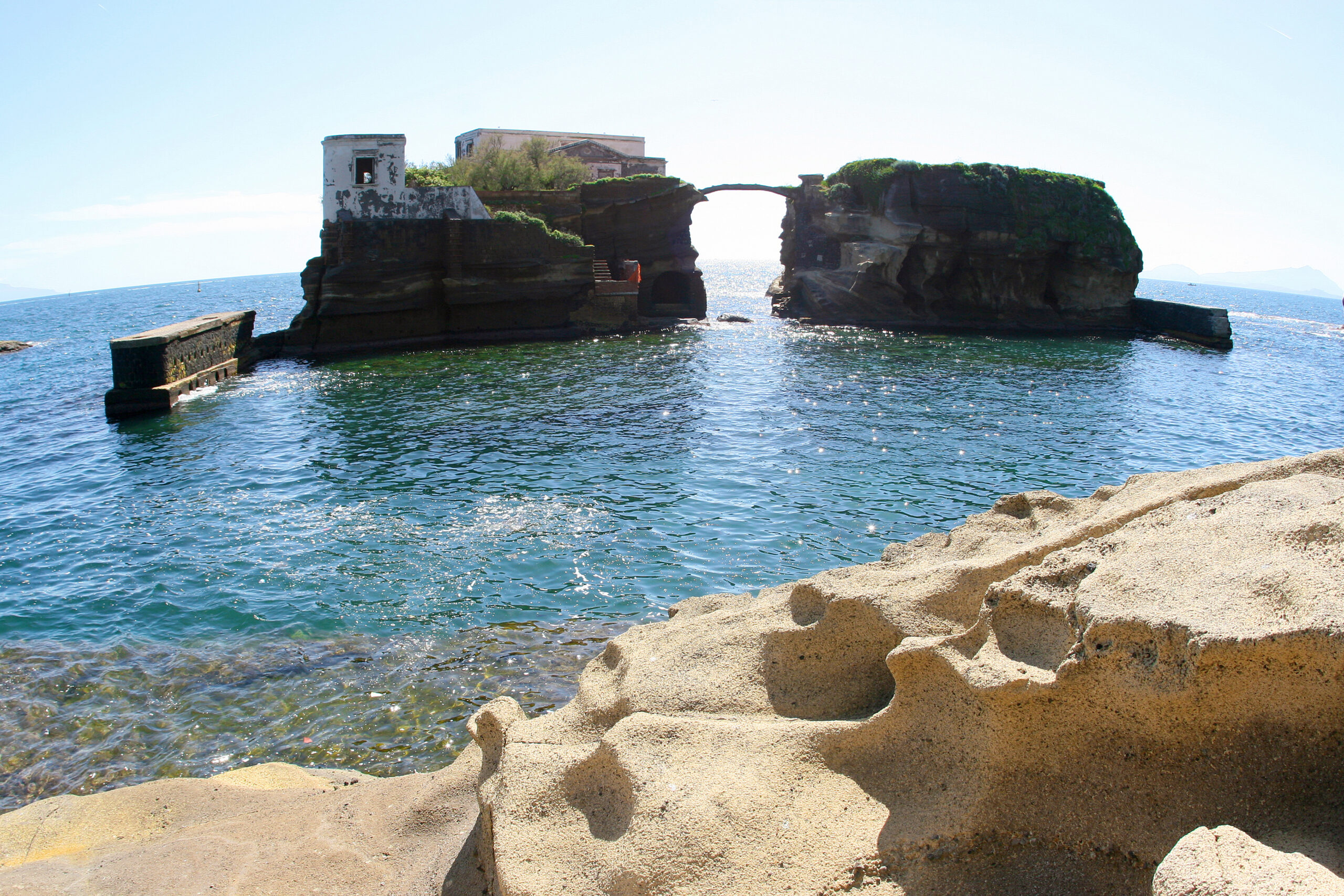
La Gaiola
Beneath its shallow waters, colourful Mediterranean fish—including wrasses, sea bream and the small species traditionally known in Naples as sardelle and guarracini—swim among sea daisies, yellow gorgonians and the submerged remains of ancient Roman fishponds and nymphaea.
The park takes its name from caveola, meaning “small cave”, a reference to the numerous natural cavities that characterise this stretch of coastline. In Roman times, the area formed part of the magnificent Villa of Pausilypon, built in the 1st century BC by the wealthy Roman knight Publius Vedius Pollio. The vast estate extended all the way to the sea, with private landing places, warehouses and elaborate fishponds.
Over the centuries, geological phenomena associated with bradyseism caused part of the ancient coastline to sink beneath the sea, leaving extraordinary archaeological remains preserved below the water’s surface. Today, this unique combination of marine biodiversity and submerged Roman heritage makes the Gaiola one of the most fascinating places along the Neapolitan coast.
Guided visits and activities allow visitors to discover the park both above and below the water, including educational experiences, snorkelling and birdwatching. Beneath the surface, among the stones of the ancient Roman fishponds, the fortunate may even catch sight of a Mediterranean moray eel emerging from its hidden refuge.
A place where sea, nature and archaeology become one, La Gaiola reveals another, more secluded and timeless side of Naples.
Discesa Gaiola — accessible from B&B Palazzo Mirelli by bus 140.
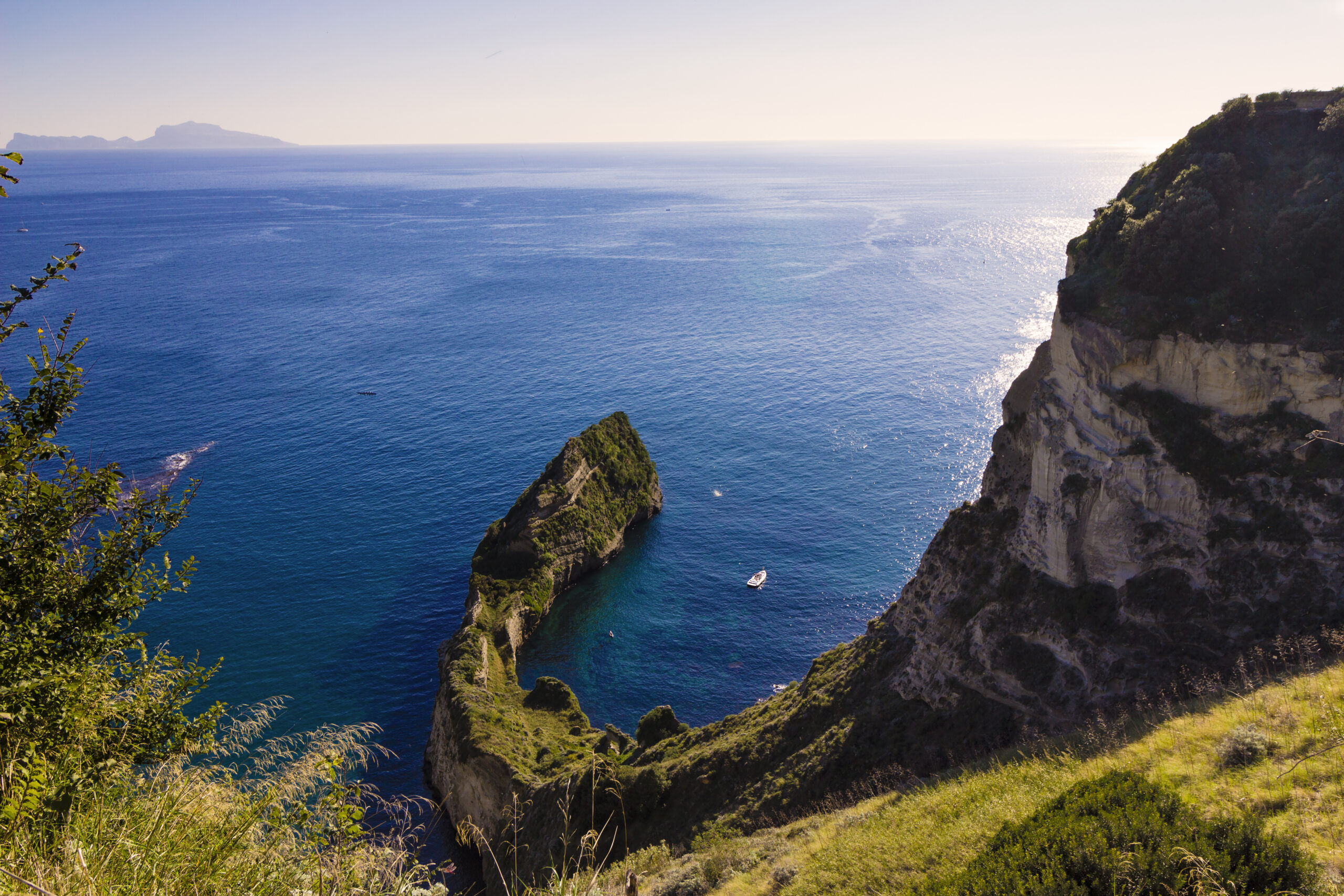
Il Parco Virgiliano
Covering approximately 92,000 square metres at the farthest point of the Posillipo hill, the park invites visitors to wander through the colours and fragrances of the Mediterranean landscape. Hundreds of trees and shrubs—including holm oaks, olive trees and oaks—are surrounded by a rich undergrowth of myrtle, rosemary and Phillyrea, filling the pathways with the distinctive scents of the Mediterranean macchia.
Beyond its extraordinary views, the park offers wide lawns perfect for relaxing, children’s play areas, cafés, drinking fountains and an athletics track. Its pathways and terraces provide countless places to pause and admire a panorama that changes with the light throughout the day.
A peaceful retreat above Naples, Parco Virgiliano is where the city seems to open onto the horizon, revealing the Gulf in all its beauty—from Vesuvius to Capri and beyond.
Viale Virgilio — from B&B Palazzo Mirelli, take bus 140 for approximately 14 stops, followed by a 10-minute walk.